

People or Citizen, Which One Are You?
PEOPLE The Preamble does not specifically define the word "people." Nevertheless, the definition becomes apparent in the context of the other words and prior history. HISTORY Before the United States existed, there was no legal government. A group of representatives, acting "in the name and by the authority of the good people of these colonies," […]
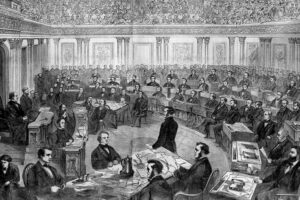
Reconstruction Era
The reconstruction era was a troubling time, and the solution decided upon was just as troubling and extraordinary as the time in which it took place. As incredible as our Bill of Rights were, they could not be extended to include the freed slaves, as due to the disposition of the southern states they would […]

Citizen or Citizen Subject
The U.S. Code says quite clearly the definition of a “national”, which is a person owing allegiance to a state. Merriam Webster Defines a national as someone who may or may not have allegiance, but has the protection of a nation without the formal responsibilities of citizenship. In Title 26 the IRS defines two types […]

Is a U.S. Citizen a citizen or a citizen subject?
The U.S. Citizenship status was created after the Civil War when the 13th amendment wasn’t enough to ensure the proper treatment of ex-slaves. While “slavery” was abolished by the 13th amendment, southern states would still pass local laws prohibiting Negros from participating in their states, or receiving proper benefits from their states. Even then, before […]

The Feudal System
What is the feudal system? The feudal system refers to a social and economic structure where individuals are considered property of a lord or governing authority. In this context, U.S. citizens are viewed as property of the federal government, which can create laws and regulations that control them. This system allows for the collateralization and […]